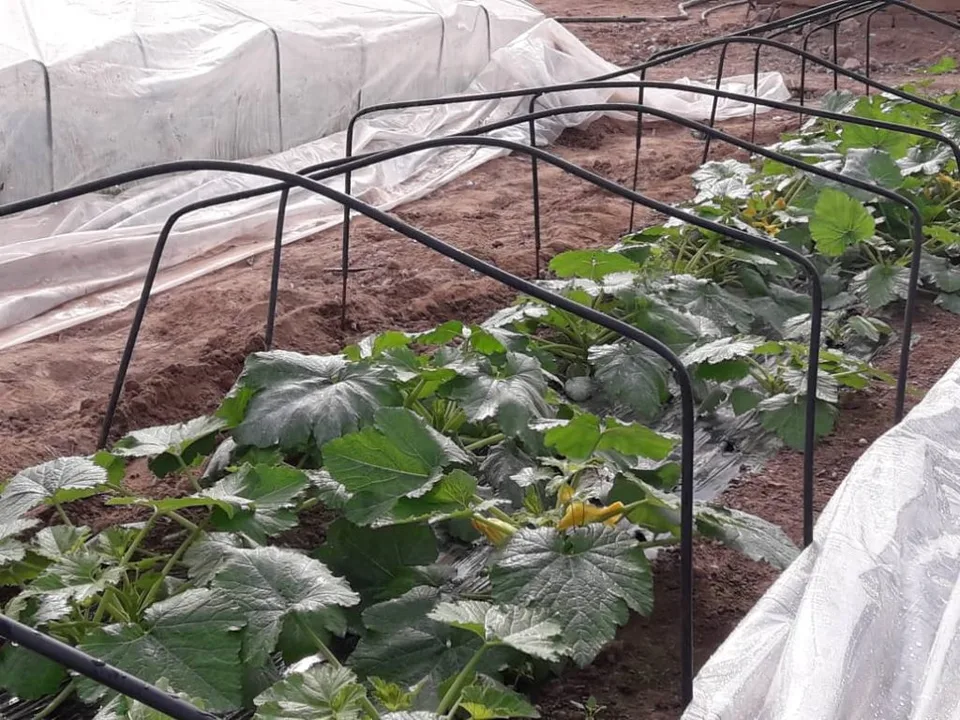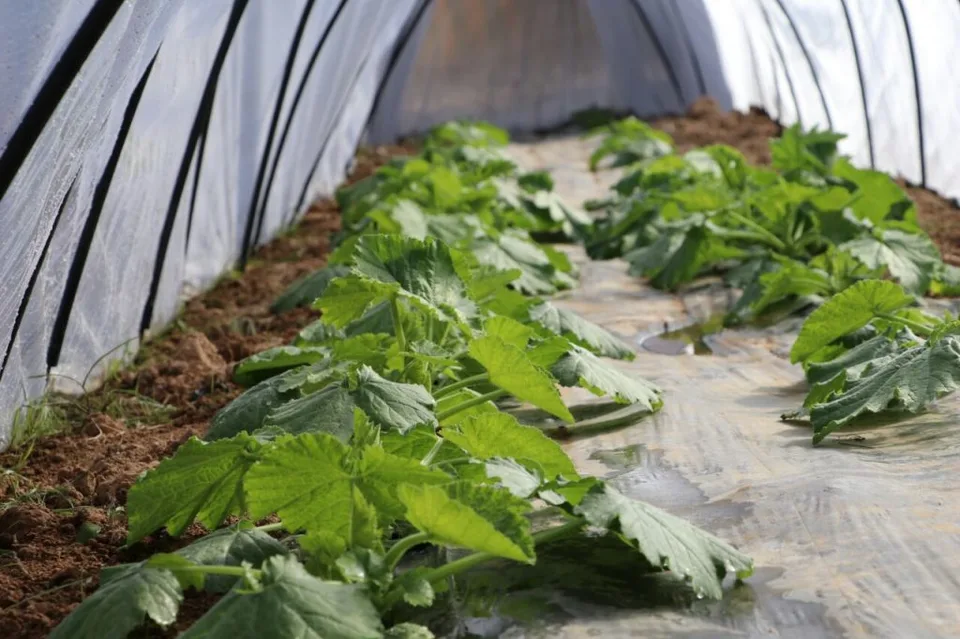
During our work in the agricultural sector, we noticed that farmers in the region rarely used modern techniques for growing vegetables during winter, particularly plastic-covered agricultural tunnels with drip irrigation systems.
The main reasons were a lack of the necessary expertise and the high cost of materials such as metal supports and plastic sheeting.
We therefore launched the agricultural tunnel project to provide farmers with technical and financial support and help improve agricultural production.
The project also aimed to encourage the use of agricultural tunnels equipped with drip irrigation, a farming method that was not widely practised in the region.
Another objective was to improve livelihoods and create new employment opportunities that would strengthen the local economy.
The village of al-Dahla was selected as the project location.
One of the main reasons for this choice was the relatively high proportion of women who were solely responsible for supporting their families.
We began by assessing the project's requirements and checking the availability of the necessary materials in local markets.
We also considered which type of vegetable would be most suitable for cultivation.
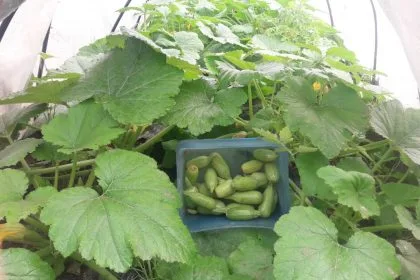
Courgettes (zucchini) were chosen because they were well suited to the time of year and offered better financial returns than other vegetables.
The project sought to increase farmers' knowledge of vegetable cultivation using agricultural tunnels and to expand seasonal vegetable production in northeastern Syria.
It also aimed to improve the income of the participating women by helping them resume agricultural activities.
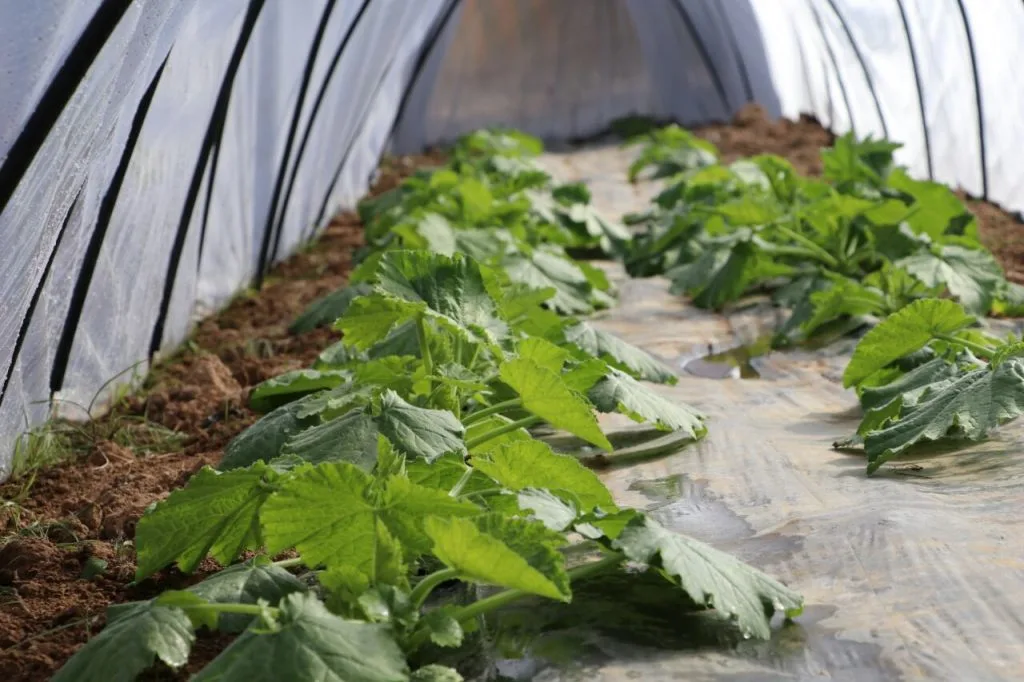
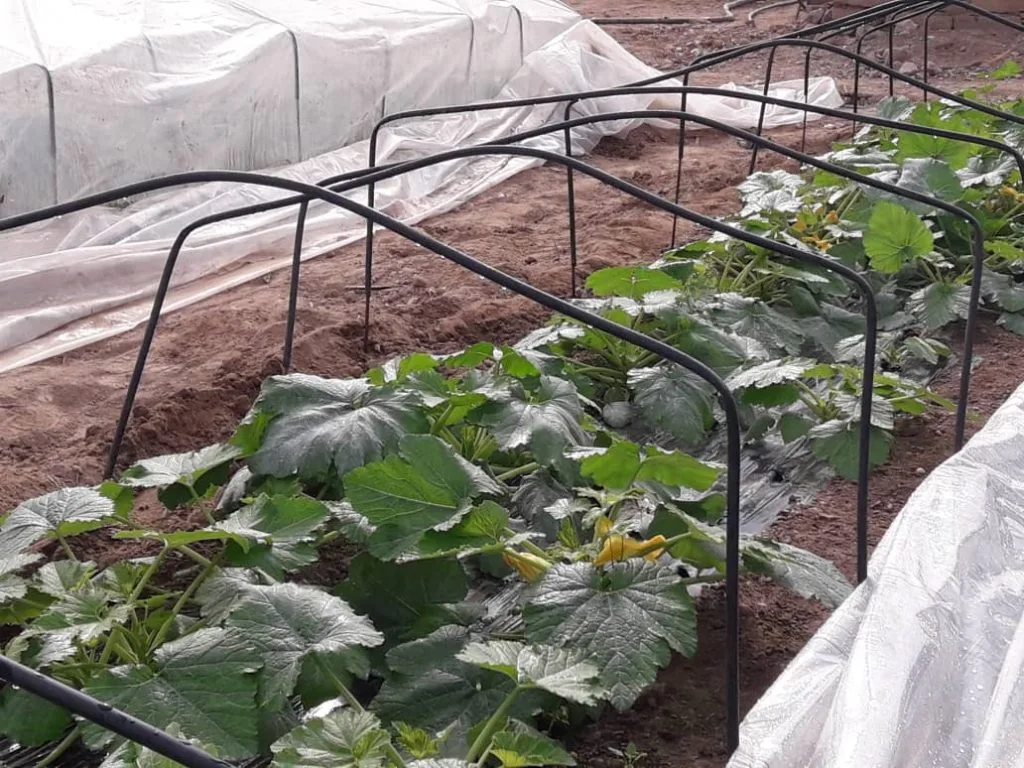
The project planned to establish 392 agricultural tunnels.
The intended beneficiaries were 56 women who were responsible for supporting their families because their husbands had died, disappeared, or become unable to work.
Each woman was to receive seven agricultural tunnels.
The specified dimensions of each tunnel were 90 centimetres in width, 15 metres in length, and 80 centimetres.
An Important Achievement of the Project
One of the project's main achievements was the introduction of drip irrigation.
This modern irrigation technique delivers water directly to plants, allowing it to be distributed efficiently while reducing water consumption.
Drip irrigation had not previously been used in the project area.
The idea was warmly welcomed by local residents, who were encouraged to adopt the method themselves.